Industry insights, market outlook reports and commercial real estate
news, and trends from the Coldwell
Banker Commercial brand.

New York City’s office market is rebounding, with tenant traffic just 5.5% below pre-pandemic levels and demand shifting toward curated, experience-driven spaces. As hybrid firms seek flexible layouts and wellness-forward amenities, landlords are redefining office environments to reflect tenant values and boost retention.

The U.S. office market showed signs of recovery in Q1 2025, with a surge in leasing activity and renewed investor interest, despite high vacancy rates and economic uncertainties. Prime locations saw strong demand, while older buildings struggled, highlighting the sector's adaptation to hybrid work models and evolving tenant needs.
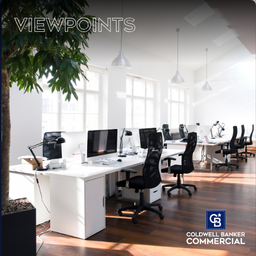
The recent push to bring workers back to the office has sparked optimism in the commercial real estate industry, but the office sector's recovery remains uncertain. Despite improved attendance in some markets, high vacancy rates and significant job cuts, particularly from federal cost-cutting measures, continue to challenge the market. The aggressive reduction of government-leased office space further complicates the outlook, though some investors see potential opportunities amid the disruption.

The U.S. office market is showing signs of recovery in early 2025, driven by recent return-to-office mandates, along with renewed investor interest. With a slowdown in new office developments and a focus on Class A properties, the market is poised for a potential rebound, despite ongoing challenges like high vacancy rates and the popularity of hybrid work models.

Discover how the post-pandemic commercial leasing landscape is evolving, with co-working spaces becoming mainstream and traditional landlords adapting to meet modern business needs. Learn about the benefits and challenges of flexible leasing models in our latest blog post.
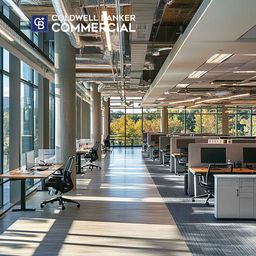
Embracing the post-pandemic era, businesses are transforming traditional office layouts into flexible, tech-driven workspaces to support hybrid work models. In 2024, the flexible office is essential for balancing employee satisfaction with operational efficiency, driven by innovative design and smart technology.”
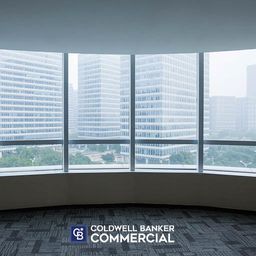
The office market is shifting dramatically, with vacancy rates expected to hit 21% by the end of 2024 due to the rise of hybrid work models. This trend presents challenges and opportunities for investors, particularly in adaptive reuse projects that transform vacant office spaces into dynamic mixed-use developments.

June 2024 saw the highest office attendance rates since the pandemic, with hybrid work models driving a significant return to in-person collaboration and boosting employee satisfaction.”
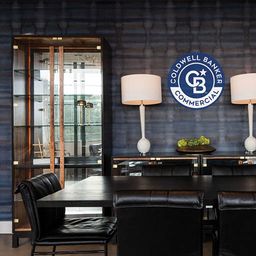
Dan Spiegel and Becky Button discuss the evolution of office design, emphasizing the shift from traditional cubicles to more comfortable and collaborative workspaces. They explore the importance of creating inviting environments that enhance productivity and well-being.
The trend of corporate headquarters moving from California to Texas peaked during the pandemic but has slowed recently. Texas’s pro-business environment and lower costs attracted many companies, leading to economic growth and challenges like rising housing prices.