Industry insights, market outlook reports and commercial real estate
news, and trends from the Coldwell
Banker Commercial brand.

As data centers drive commercial real estate demand, power access—not financing or location—is emerging as the top dealbreaker. With grid delays, rising energy costs, and a looming 32-gigawatt shortfall, CRE professionals must prioritize energy strategy to secure sites, protect timelines, and unlock long-term value.
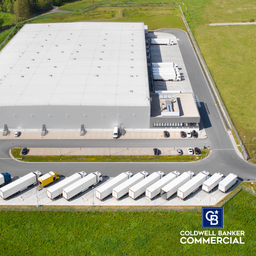
Despite broader economic uncertainty, the industrial real estate sector remains resilient, supported by strong fundamentals and evolving demand drivers like e-commerce, AI infrastructure, and supply chain reconfiguration. Green Street’s latest Commercial Property Outlook reveals why industrial assets continue to offer compelling, risk-adjusted returns in a cooling market.

Data centers are crucial in our hyper-connected world, driving demand for specialized real estate due to cloud adoption, edge computing, and 5G rollout. Despite challenges like energy consumption and cooling requirements, data center investments offer stable income and resilience, making them a lucrative asset class in commercial real estate.

The commercial real estate landscape is evolving with the rapid growth of the life sciences sector, driven by biotech breakthroughs, rising healthcare needs, and significant funding. This sector offers prime investment opportunities with specialized facilities like labs and biomanufacturing plants, despite challenges such as high build-out costs and regulatory hurdles.

E-commerce has revolutionized consumer behavior and logistics, driving unprecedented demand for industrial real estate. While large fulfillment centers have been the focus, small-bay industrial properties—under 250,000 square feet and near population centers—are now critical for faster delivery times and supply chain resilience.
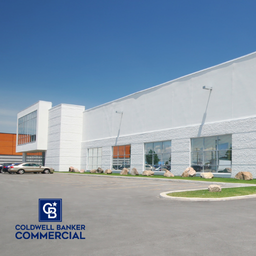
The transformation of retail spaces into industrial warehouses and logistics hubs is a significant trend in commercial real estate, driven by the e-commerce boom and the need for efficient last-mile delivery. This shift is revitalizing underutilized malls and big-box stores, offering prime locations, existing infrastructure, and faster market entry for developers and investors.

Technological advancements like autonomous logistics, AI-powered warehouse management, and energy-efficient facility design are set to reshape the industrial commercial real estate (CRE) market in 2025. These innovations will drive demand for smart, sustainable facilities, influencing investor priorities and enhancing operational efficiency.
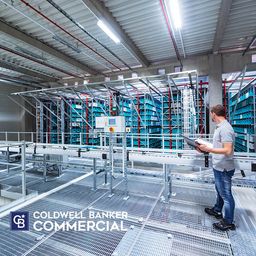
CBC explores how the e-commerce boom is driving unprecedented growth in the industrial real estate sector, with giants like Amazon and Walmart leading the demand for logistics facilities. Learn about the challenges and innovations shaping this dynamic market, from automation to eco-friendly designs.
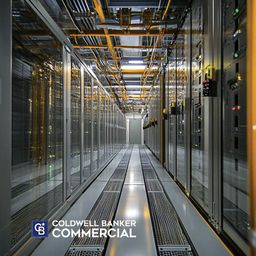
With the surge in digital services, data centers have become essential infrastructure, offering robust growth and stable returns for commercial real estate investors. As the backbone of the digital economy, these assets present a compelling opportunity amid rising demand for cloud computing and AI.

Explore the top U.S. manufacturing hubs of Dallas, Chicago, and Phoenix, as we delve into key trends and opportunities for investors in these thriving industrial markets.